
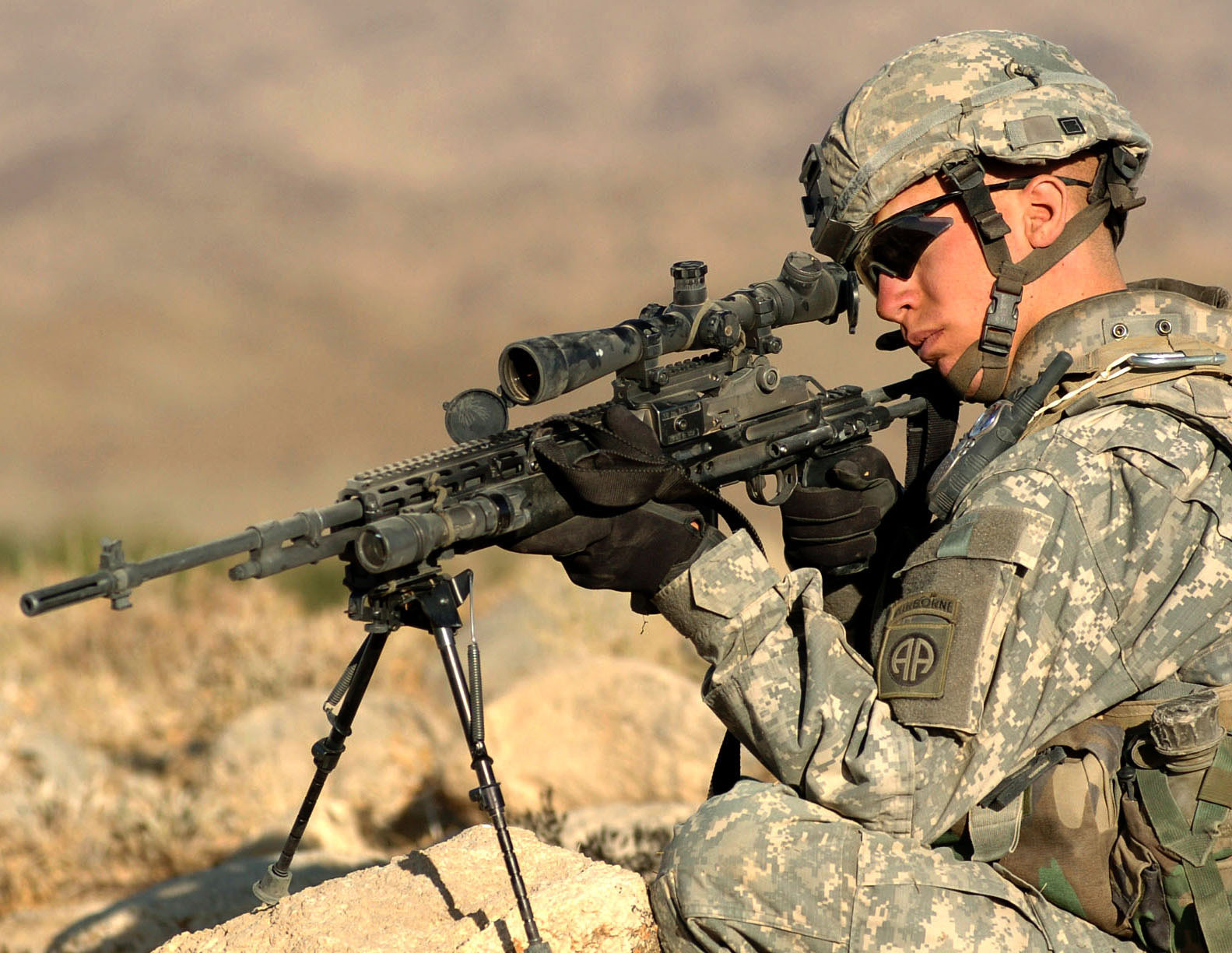
If, like me, you've lived the last nine years (or more) wondering what the fuck is going on in the world, you may be interested in some of the posts I'll have over the next few weeks.I'm an idea person, an armchair philosopher if you will, and I spend way too much time pondering why people do the things they do, or, even more importantly, why they don't do things that seem so obviously in need of doing. For instance, why didn't we as a nation stand up against the Supreme Court ruling that put Bush in office for a second term? What is it in human nature that makes us stop defending ourselves from wrongs that are too unconscionable to even be believed?There could be any number of reasons for human behavior, but I think one of the main factors that drive us is our lack of information. We, as a species, are daunted by what we don't know. Many of us are afraid to take a side because it could be the wrong side.So what's to be done? Just get more information. Seems simple, right? But having information isn't enough. We have to know where it's coming from, if it's reliable, what pool of facts this information is based on. For us to trust the information we're getting, we have to ask the experts.Who are the experts? There are two kinds: people who study the facts, and people who live them. What I mean is, you can ask an academic, say a sociologist, to explain what feminism means, or what it's like to grow up female in any given region of the world. You'll probably get a great answer too, something that seems logical and well thought out and perhaps based on research. But wouldn't the person who could really give you the facts on this subject be a feminist or a woman?Alright, I'm being long-winded. Here's what this post is really about. Like the rest of you, I've been confused, saddened, horrified, uncertain and lost in regards to the world's actions since 911. I want to think that the steps we've taken as a nation towards Iraq and Afghanistan have been for the better, but CNN, NBC, Fox, HuffPo, NYTimes, etc. haven't been telling me a story that I'm willing to believe. If I pick any one of them I'll either get a resounding "YES!" or a resounding "NO! And furthermore..." I'm all for black and white, it does simplify things, but I'm way too much of an unrepentant cynic to buy into any either/or stance. That type of argument leaves out too many factors to be anything but gasbag rhetoric.So who then? Who are the people living the facts, coping with the impacts our policies towards Iraq and Afghanistan are having, not just for us, but for the people living in those countries? Obviously, the people living there. But the other people who really know WTF is going on are the people we send: the soldiers and civilians who go there to stabilize, bring peace, quell resistance, build nations, offer healthcare and security, and yeah, to stop the bad guys from doing their bad guy shit.Which is, finally, the point of this post. Over the next few weeks, I'll be interviewing a number of American soldiers and contractors who've served time in Iraq and Afghanistan. They've all volunteered to share what they know, to shed some light on the real situation, and help the rest of us sitting at home getting slapped in the face with more skewed media images and stories serving someone else's political agenda to know what they know, to see what they've seen, and to witness what our consent as a nation to support the policies of our government is doing for, or against, this world.